Engineered with multi-barrier substrates, high-definition flexographic printing, and certified raw materials to match demanding global standards.
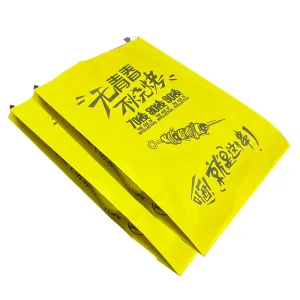
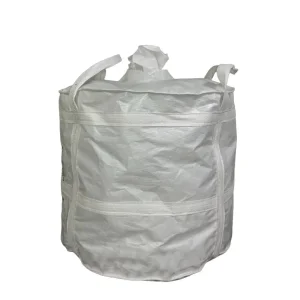
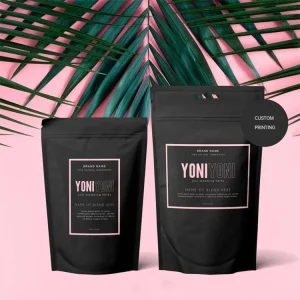
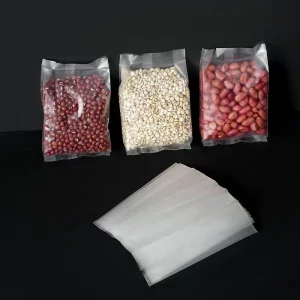
The global packaging sector is undergoing a major shift. Companies worldwide are moving away from heavy, rigid glass and metal containers to lightweight, high-performance flexible pouches. Custom printed pouches are no longer just basic packaging; they are sophisticated systems designed to protect products and represent brands. By using advanced barrier science, these pouches help extend shelf life, preserve product flavors, and keep food fresh.
At the same time, brands are using eye-catching, multi-color packaging to attract consumers on store shelves. Modern flexible packaging uses layers of different materials—like PET, Aluminum Foil, Kraft paper, and PE—to create custom solutions. This approach allows companies to adjust oxygen and moisture transmission rates to fit specific products, from fresh coffee beans to industrial-grade chemicals.
For global buyers, purchasing packaging involves strict technical specifications and safety standards. Packaging materials that touch food, pharmaceuticals, or sensitive chemicals must meet global food safety rules, such as US FDA 21 CFR regulations, European EC 1935/2004 directives, and BRCGS food safety standards. Brands also require strong materials that won't puncture, tear, or leak during long-distance shipping.
Today, companies are looking for sustainable options that don't compromise on barrier quality. This has led to the development of recyclable mono-materials and compostable polymer alternatives. Selecting the right supplier is critical to ensuring consistent material quality, accurate printing, and on-time delivery.
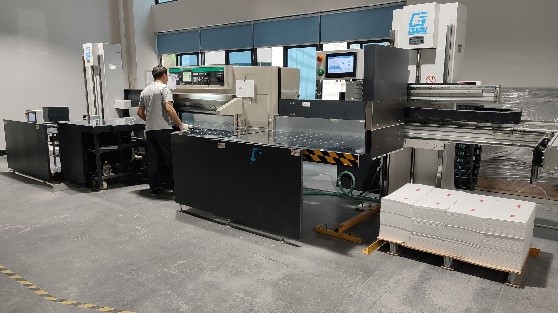
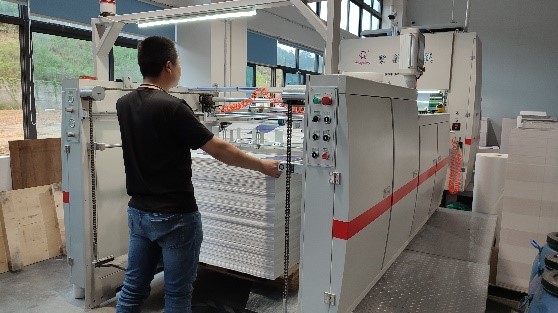
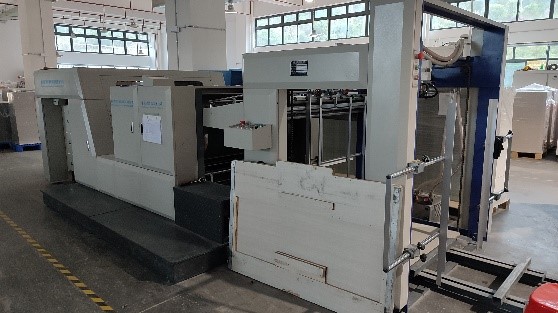
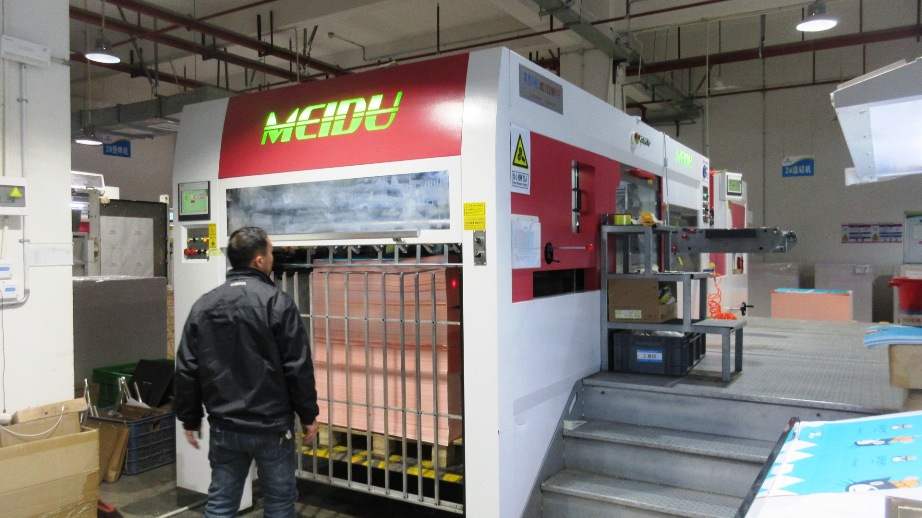
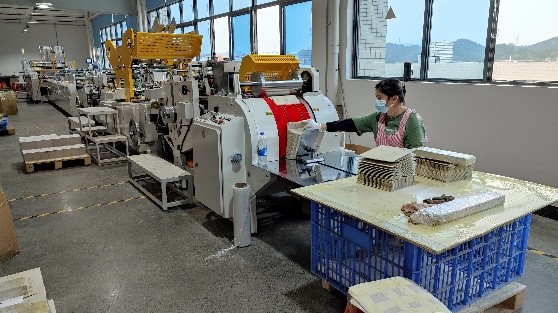
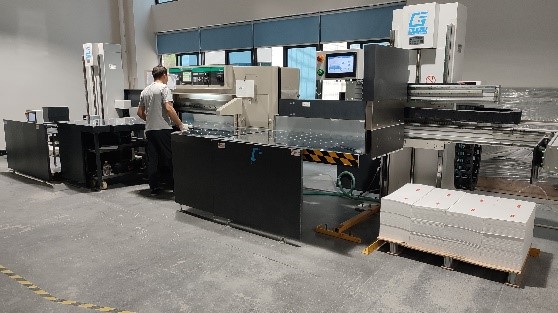
China's flexible packaging industry has evolved from basic manufacturing to high-tech, automated production. Modern facilities utilize smart systems, computerized print inspection, and high-speed laminators to reduce error rates and cut down production time. This high level of automation helps keep costs competitive while maintaining quality.
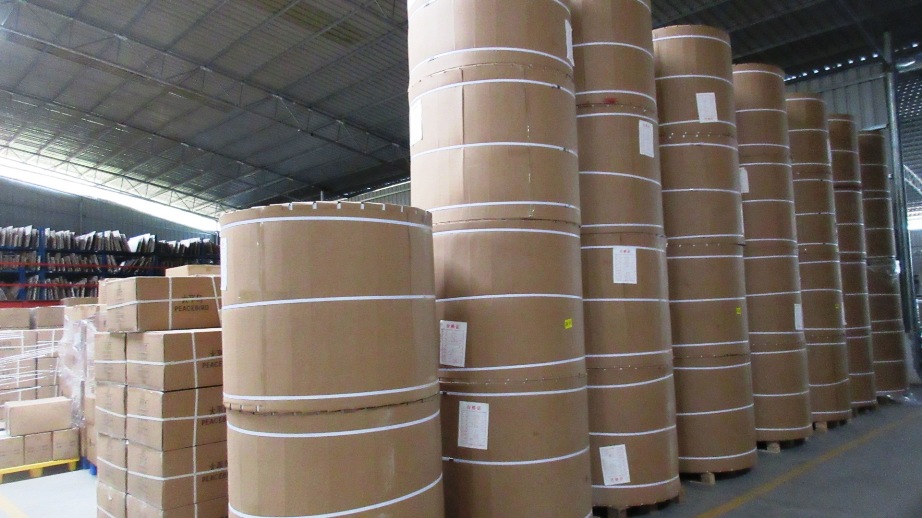
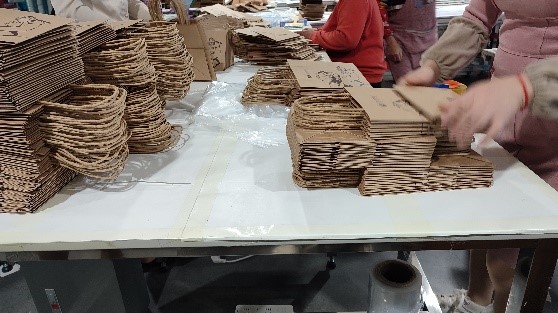
A key advantage of Chinese manufacturing is supply chain integration. Factories like Hebei ChicBeauty Bag Co., Ltd. work closely with sister plants that supply raw PP and kraft paper rolls. This direct access to raw materials helps protect buyers from global price fluctuations and ensures reliable material availability. Managing everything from raw materials to final printing in one integrated network keeps production schedules steady and secure.
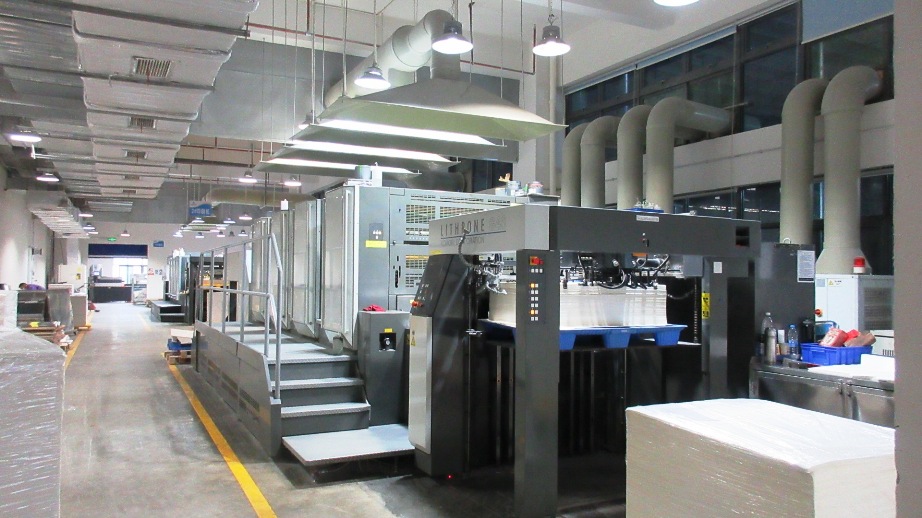
Equipped with imported Heidelberg printing machinery, our facility delivers clear, vibrant, and precise colors aligned with Pantone standards, minimizing variations.
We use only 100% new virgin polymers and high-grade kraft paper. This ensures maximum tensile strength, clean look, and compliance with strict food contact rules.
Partnering with sister factories that produce raw rolls allows us to control costs and maintain stable material supplies, even during peak global demand.
Every step of our manufacturing process follows strict ISO standards. This systematic approach ensures total transparency, consistency, and traceability for all orders.
Selecting the right flexible packaging requires understanding the technical performance of different materials. For products sensitive to moisture and oxygen, a multi-layer design is necessary. Polyethylene (PE) is commonly used as the inner layer for food contact safety and strong seals. Adding an aluminum foil or metallized polyester (PET) layer blocks light, moisture, and gases, protecting products inside.
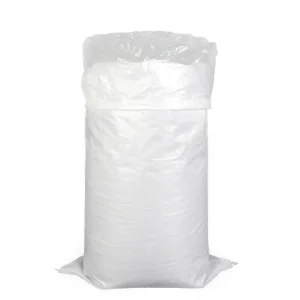
For industrial uses, polypropylene (PP) woven materials are preferred because of their high tensile strength. Adding a Biaxially Oriented Polypropylene (BOPP) outer layer allows for high-quality printing while protecting the bag from scratches. Understanding how different materials interact helps companies choose the right packaging for their specific needs, ensuring product safety and reducing waste.
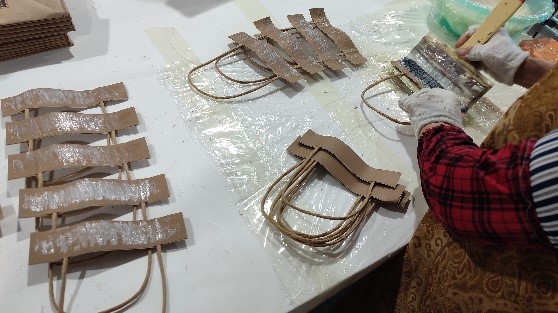
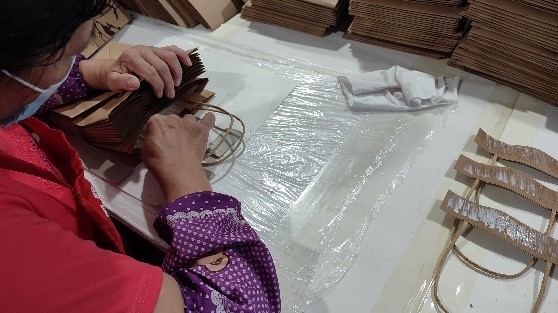
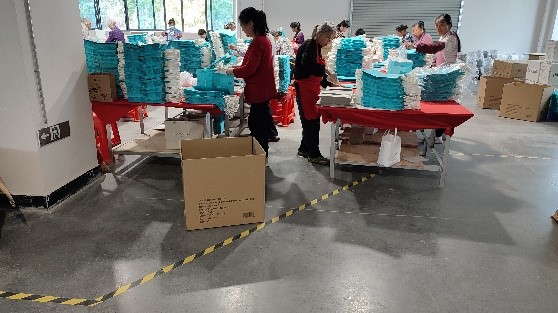
Maintaining quality across large production runs requires a structured testing system. At Hebei ChicBeauty Bag Co., Ltd., quality control starts before production begins. Incoming raw materials are inspected to confirm they meet purity and strength requirements. Online camera systems scan for printing errors, and finished pouches undergo automated and manual checks to ensure strong seals.
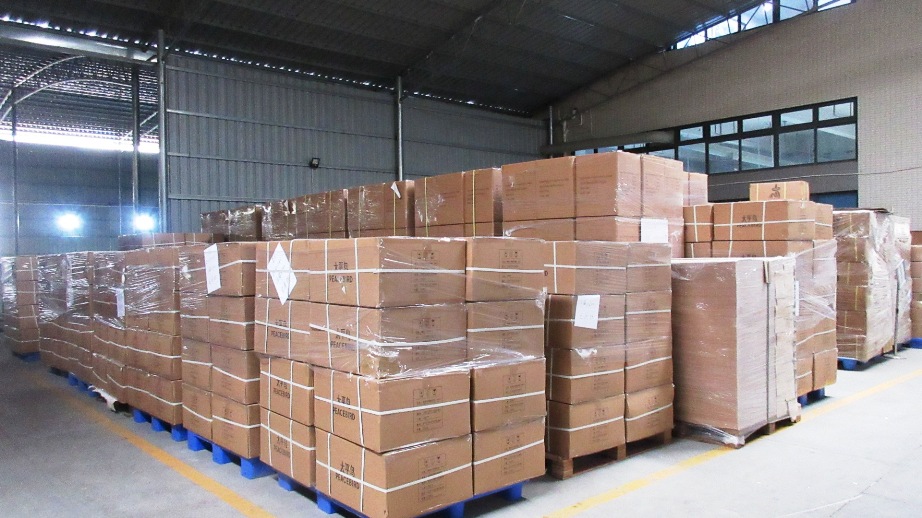
We perform tests for puncture resistance, seal strength, and burst pressure to verify that the packaging holds up under pressure. Pre-shipment checks confirm that printing matches international Pantone guidelines, and bags are packed carefully to prevent damage during transport.
Packaging needs vary widely across different regions and industries:
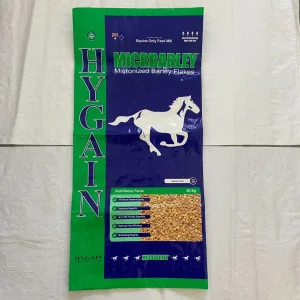
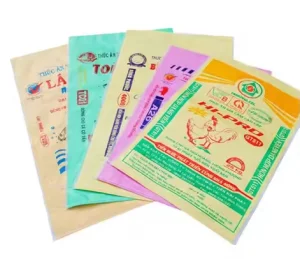
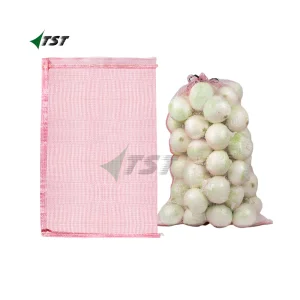
Agriculture: In farming, bags need to withstand rough handling and damp outdoor storage. Woven PP bags and valve bags are commonly used for grains, seeds, fertilizers, and animal feed. They protect contents from moisture and pests while remaining easy to stack and transport.
Industrial & Chemicals: Packaging chemical powders requires secure, dust-free seals. Multi-layer paper-plastic composite valve bags allow for clean, automatic filling, which helps keep the workspace safe and limits product dust.
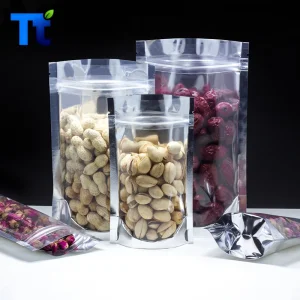
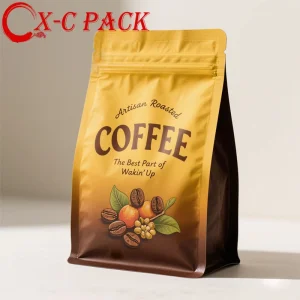
Food & Retail: In the food industry, packaging must keep items fresh and look good on shelves. Stand-up pouches with zippers or one-way degassing valves are widely used for coffee, tea, nuts, and organic foods. These designs help maintain product freshness while offering customers resealable, convenient packaging.
Common questions from global supply chain managers and packaging engineers answered by our technical team.
All our food-grade packaging is made with 100% virgin materials in clean production spaces. We provide test certificates confirming compliance with US FDA, European Union, and BRCGS food-contact regulations.
Valve bags are designed for fast, automatic filling on modern packing machinery. They seal securely, reduce dusting, and stack neatly on pallets, which helps lower shipping costs and prevents damage.
We use imported German Heidelberg printing presses for high-resolution graphics and accurate color matching. We follow the Pantone Matching System (PMS) to keep colors consistent across different production runs.
Our sister plants produce raw PP and paper rolls. This direct supply helps keep our production costs stable, protects buyers from price increases, and ensures we can deliver orders reliably on schedule.
Standard production takes 14 to 21 days after design approval. First-time orders may take slightly longer for plate making. We offer express production options for urgent timelines.
Yes, we manufacture recyclable mono-material pouches and compostable alternatives. These designs are engineered to protect products while aligning with global environmental standards.
We check quality at three points: when inspecting raw materials, during production, and before packing. Each finished batch is also checked manually for seal strength and print quality.
Yes, we provide free stock samples so you can test size and material performance. Custom pre-production samples with your artwork can also be made for testing before final approval.
High-quality packaging products designed for retail, agricultural, and industrial applications globally.
 ChicBeauty Bag