Plastic bags are a common sight in our daily lives. However, many people wonder, why do plastic bags degrade in sunlight? This question leads us into the complexities of plastic degradation and its environmental impact.
When exposed to sunlight, plastic bags undergo a process known as photodegradation. Ultraviolet (UV) rays in sunlight break down the chemical bonds in the plastic. As a result, the bag becomes brittle and eventually fragments into smaller pieces. This decomposition process highlights a critical environmental issue. Many people disregard the long-lasting effects of microplastics on ecosystems.
Each year, millions of plastic bags end up in landfills, oceans, and our natural habitats. While degradation may seem like a solution, it poses serious risks. Marine life often ingests microplastics, mistaking them for food. Furthermore, harmful chemicals can leach into the soil and water, posing risks to health and biodiversity. A better understanding of why do plastic bags degrade in sunlight may guide us toward more informed choices in reducing plastic waste.
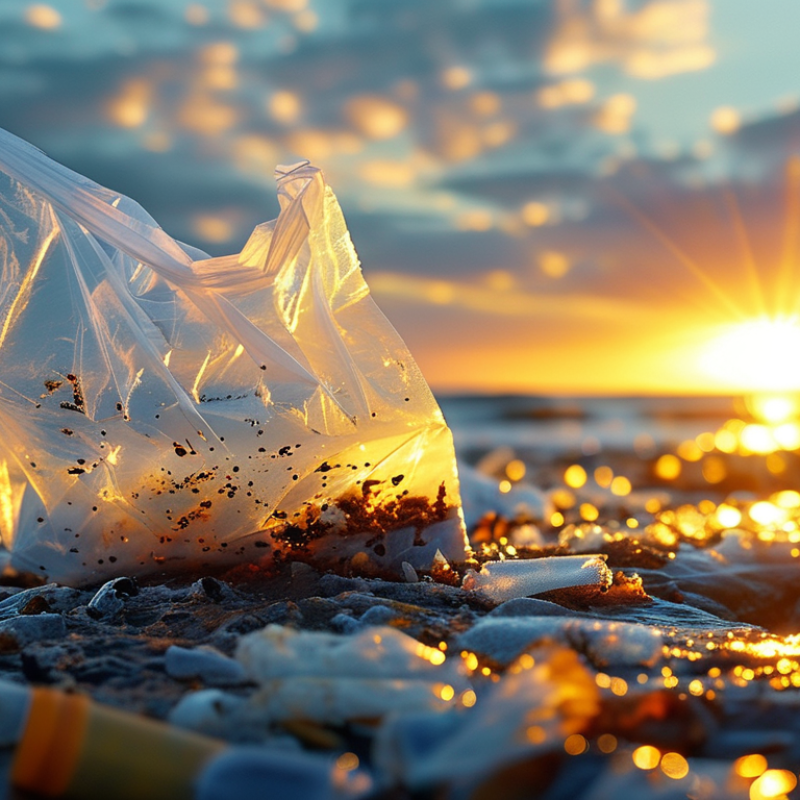
Plastic bags, made from polyethylene and polypropylene, are common in everyday life. Their chemical structure causes them to degrade when exposed to sunlight. Ultraviolet (UV) rays break down the molecular bonds in plastic. This process results in smaller fragments called microplastics. These tiny particles can enter our water systems and soil, posing risks to wildlife and human health.
Tips: Dispose of plastic bags properly. Recycling can help reduce environmental impact. Consider alternatives like reusable bags.
The degradation process in sunlight reveals the material's vulnerabilities. While plastic bags provide convenience, their environmental toll is significant. They can take hundreds of years to fully decompose, contributing to landfill waste. Mitigating this issue requires awareness and conscious choices in daily habits.
Tips: Educate others about the impact of plastic. Engage in community clean-up initiatives to raise awareness. Even small actions can create a ripple effect.
UV radiation plays a critical role in the degradation of plastic bags. Sunlight contains ultraviolet (UV) rays, which break down the chemical bonds in plastics. This process is known as photodegradation. When plastic bags are exposed to sunlight, the UV rays cause them to become brittle and lose their structural integrity. Over time, this leads to visible cracks and surface deterioration.
As the plastic breaks down, it can generate microplastics. These tiny particles can easily enter our soil and waterways, posing threats to wildlife and ecosystems. Animals may ingest these microplastics, mistaking them for food. This not only affects the health of the animals but also disrupts the entire food chain. It's alarming to consider how something as seemingly innocuous as a plastic bag can have such a lasting impact on the environment.
The degradation process is not uniform. Factors like temperature, humidity, and geographic location influence how quickly plastic bags degrade. In some areas, bags may take longer to break down. In sunny climates, they might become brittle and degrade more rapidly, while in cooler regions, the process can stall. This inconsistency highlights the complexities of plastic waste management and encourages deeper reflection on our plastic consumption habits.
Plastic bags can break down under sunlight. This process generates tiny plastic fragments. These particles enter the environment, becoming a major pollutant. They are often mistaken for food by wildlife. Animals may consume these fragments, leading to health issues and potential fatalities.
The environmental impact of these decomposed particles is significant. Microplastics pollute soil and waterways. They disrupt ecosystems and harm aquatic life. These particles carry toxins, contaminating food sources. As they accumulate in the food chain, they pose risks not just to wildlife, but to human health as well.
Awareness around this issue is crucial. People often overlook the long-term effects of single-use plastics. Education and proactive measures can help limit their use. By making informed choices, individuals can reduce plastic pollution. This might seem challenging, but small changes can lead to a healthier environment. Reflecting on our consumption habits is a step toward sustainability.
Plastic bags pose a significant environmental challenge due to their long degradation time. Standard plastic bags can take hundreds of years to break down in landfills. In contrast, biodegradable alternatives, like those made from plant-based materials, can decompose within a few months under proper conditions. The study by the Environmental Protection Agency suggests that switching to biodegradable bags could reduce plastic waste by nearly 30% in landfills.
Despite these advantages, the effectiveness of biodegradable bags greatly depends on the environment where they are disposed of. Many biodegradable options require industrial composting facilities to degrade effectively. Unfortunately, these facilities are not universally available. A report from the World Economic Forum highlights that only 9% of plastic waste is recycled globally. This reality raises questions about our reliance on biodegradable solutions and emphasizes the need for better waste management systems.
Moreover, public awareness of the differences between biodegradable and traditional plastic isn't sufficient. Many consumers mistakenly believe all biodegradable products break down easily in nature. Further education is needed to clarify that only specific conditions can facilitate their degradation. This gap in understanding reflects a broader issue in plastic waste solutions. Identifying and promoting sustainable alternatives must become a priority for communities and governments alike.
| Type | Degradation Time (in sunlight) | Environmental Impact | Biodegradability | Recyclability |
|---|---|---|---|---|
| Plastic Bag | 1-20 years | Pollutes oceans and wildlife | No | Yes, but often not recycled |
| Biodegradable Bag | 3-6 months | Less pollution, but requires composting | Yes | Yes |
| Compostable Bag | 90-180 days | Good for soil if composted properly | Yes | Yes |
Plastic bags degrade under sunlight due to UV radiation. This leads to their breakdown, releasing microplastics. These microplastics can harm wildlife and pollute ecosystems. To limit this environmental damage, we need practical strategies.
Promoting reusable bags is essential. Instead of single-use bags, consider cloth or biodegradable options. These alternatives reduce plastic waste significantly. Educating the public about the impact of plastic waste is crucial. Awareness can drive behavior change and foster responsible habits.
**Tips:**
Opt for bags made from natural fibers when shopping.
Support local initiatives for plastic waste reduction.
Encourage friends and family to adopt sustainable practices.
However, even these solutions can have their flaws. Not everyone may switch to reusable bags due to convenience. It's vital to keep discussing the challenges and successes in reducing plastic waste. Reflection on personal habits encourages ongoing improvement. We must stay committed to finding better solutions.
This chart illustrates the degradation rate of plastic bags when exposed to sunlight over different time periods. As time progresses, the degradation rate increases significantly, highlighting the environmental impact of sunlight on plastic waste.
: Plastic bags are typically made from polyethylene and polypropylene.
UV rays from sunlight break down the molecular bonds in plastic, leading to degradation.
Microplastics are small fragments created when plastic bags degrade. They can pollute soil and water.
Plastic bags can take hundreds of years to fully decompose in landfills.
Factors like temperature and humidity affect how quickly plastic bags break down.
Animals may ingest microplastics, mistaking them for food, harming their health.
Dispose of plastic bags properly and consider using reusable bags.
Educate others and participate in community clean-up events. Small actions matter.
They contribute to pollution and disrupt entire food chains when ingested by wildlife.
Understanding degradation highlights the need for reflection on how we use plastic daily.
The article "Why Do Plastic Bags Degrade in Sunlight Effects on Environment?" explores the chemical composition of plastic bags and highlights how the ultraviolet (UV) radiation from sunlight contributes to their degradation. It explains that the polymers in plastic bags are broken down by UV light, leading to the formation of smaller plastic particles that can contribute to environmental pollution. The environmental impact of these decomposed particles is substantial, as they can harm wildlife and ecosystems.
Additionally, the article compares traditional plastic bags with biodegradable alternatives, emphasizing the need for more sustainable options. It also discusses strategies to mitigate plastic waste in sunlit environments, encouraging awareness and responsible usage of plastic products. Understanding why plastic bags degrade in sunlight is crucial for tackling the broader issue of plastic pollution and advocating for effective environmental policies.
