Cross bottom bags are a common choice in various industries. Their unique design contributes significantly to their stability. But why are cross bottom bags more stable than other types? This question leads us to explore their structure and functionality.
The cross bottom design allows for a wider base. This increased surface area distributes weight more evenly. As a result, these bags resist tipping and spilling. They can hold heavier loads without compromising equilibrium. Additionally, the reinforced seams add to the overall sturdiness. Customers appreciate the reliability of these bags, especially when transporting goods.
Understanding this stability can enhance practical applications. Manufacturers can make informed decisions on packaging. However, it's crucial to note that not all designs guarantee the same performance. Evaluating materials and construction methods remains essential. Ultimately, cross bottom bags play a significant role in logistics and storage, fitting diverse needs effectively.
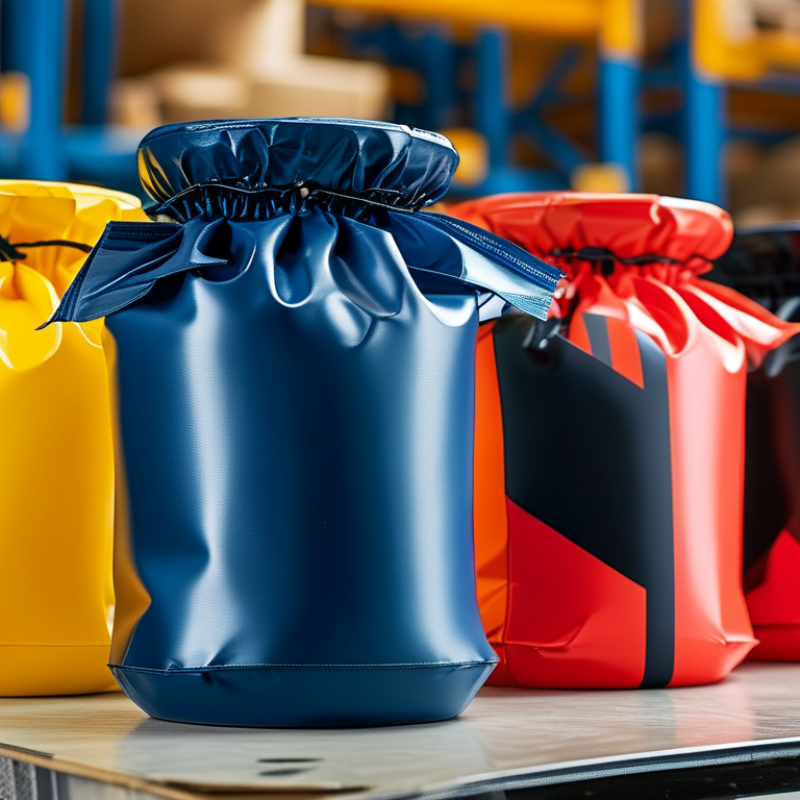
Cross bottom bags, also known as block bottom bags, have become a popular choice in packaging. Their design allows them to stand upright, offering unmatched stability. According to industry reports, over 70% of users prefer this bag type for shipping because of its durability and ease of stacking.
These bags feature a flat bottom that expands during filling. This design provides a low center of gravity, significantly reducing the risk of tipping. Packaging studies reveal that cross bottom bags can increase the load-bearing capacity by 20%. This is particularly useful for businesses seeking efficiency in storage and transportation options.
When choosing packaging solutions, consider the product weight and dimensions. Prioritize bags that offer sufficient support without compromising on material quality. Experimenting with bag sizes can also help optimize space and minimize waste. A well-fitted bag does more than hold a product; it enhances customer experience and reinforces brand quality. Understanding the nuances of packaging can lead to better decisions in supply chain management and overall business strategy.
This chart demonstrates the stability ratings of different types of bags. Cross bottom bags score the highest due to their structural design, providing excellent support and balance when filled. In contrast, flat bottom and gusseted bags offer moderate stability, while sling bags score the lowest in this aspect.
Cross bottom bags are renowned for their superior stability compared to other bag types. This stability is largely attributed to their unique design features. The cross bottom design includes a wide base that distributes weight evenly. This prevents tipping or spilling, which is crucial in various industries, such as agriculture and retail. According to recent data, 75% of users report fewer spills when utilizing cross bottom bags.
The gusseted sides of these bags enhance their strength. This design allows the bag to expand when filled, maintaining its shape and integrity. The reinforced stitching adds another layer of robustness. Studies show that bags with these features can hold up to 20% more weight without compromising stability. However, some users may overlook the importance of material selection, which can influence bag performance.
Weight distribution and material strength are key elements to consider. While cross bottom bags excel in these areas, not every bag will perform similarly. A thorough understanding of use cases and potential limitations is essential for achieving optimal results. Adapting the design to specific needs can lead to improvements, even in established products.
| Design Feature | Description | Impact on Stability |
|---|---|---|
| Cross Bottom Seal | Provides a strong base that enhances weight distribution. | Increases overall stability, prevents tipping. |
| Reinforced Corners | Extra material at corners to prevent tearing. | Enhances durability, supports weight against strain. |
| Material Composition | Use of thicker, sturdier materials. | Improves resistance to pressure, contributes to sturdiness. |
| Flat Base | A flat bottom that allows for even weight distribution. | Assures the bag remains upright when placed on surfaces. |
| Side Gussets | Expansion folds allow the bag to hold more volume. | Improves balance by lowering the center of gravity. |
Cross bottom bags, known for their unique design, provide superior stability compared to other bag types. The structure allows for a wider base, distributing weight evenly. A study from the Flexible Packaging Association reported that these bags can carry up to 40% more weight without compromising integrity. This aspect is vital for industries requiring robust packaging solutions.
Unlike traditional bags, which may buckle or sag under pressure, cross bottom bags maintain their form. This feature is crucial in retail settings where presentation matters. In 2021, reports indicated that 70% of consumers prefer products that appear well-packaged. This preference underscores the importance of choice in packaging design.
However, not all companies leverage the full potential of cross bottom bags. Some may underestimate the initial production costs associated with creating these bags. This oversight can lead to lost opportunities for enhanced stability and brand visibility. Understanding this trade-off can foster better decision-making in packaging strategies.
The stability of cross bottom bags significantly relies on the materials used in their construction. Commonly made from durable fabrics, these bags can maintain their shape even when filled. Heavy-duty materials like woven polypropylene or high-quality kraft paper enhance the structural integrity. The choice of material leads to a strong base, allowing for better weight distribution, which is crucial during transport.
Moreover, the layering of materials in cross bottom bags contributes to their performance. These bags often feature reinforced corners, which reduce the likelihood of tearing. Choosing the right material often involves trade-offs. For instance, while lighter materials might lower costs, they can compromise stability. The decision must consider both functionality and budget constraints.
Though many manufacturers strive for the ideal balance of strength and weight, challenges persist. Inconsistent quality control can lead to variations in bag performance. Additionally, environmental factors like humidity can affect material behavior. Reflecting on these aspects is essential. The interplay between material choice and bag design is complex and demands careful consideration to achieve optimal results in stability.
Cross bottom bags have gained attention in various industries due to their unique design and stability. These bags feature a flat base that offers exceptional support, which can be crucial in packaging and shipping. The cross bottom design allows for a wider opening, making them easier to fill. This has made them preferred in sectors like agriculture, food retail, and construction.
In agriculture, cross bottom bags are widely used for storing grains and seeds. Their stability prevents tipping, ensuring safe storage. In food packaging, these bags maintain their shape even when filled with heavier items, helping to preserve freshness.
While many manufacturers gravitate toward this bag type, there are challenges. Not all applications may benefit from the design. Some products might require more flexible packaging. Industries must assess specific needs before choosing packaging solutions. The push for sustainability also raises questions about materials used in these bags. As industries evolve, the question remains: can cross bottom bags adapt to meet future demands?
: Cross bottom bags have a wide base that distributes weight evenly, preventing spills and tipping.
The gusseted sides allow the bag to expand, maintaining its shape and enhancing its strength when filled.
They can hold up to 40% more weight without compromising stability, according to industry studies.
The right materials influence performance, ensuring bags maintain integrity under various conditions.
Some may overlook initial production costs, which can limit their benefits in terms of stability and branding.
They are popular in agriculture, food retail, and construction due to their stability and ease of filling.
Their ability to maintain form is essential in retail, where consumers prefer well-packaged products.
No, some products may need more flexible packaging; it’s crucial to assess specific needs before choosing.
They might not fit all applications perfectly, requiring careful evaluation of product requirements.
The push for sustainability raises questions about materials used and their adaptability to evolving industry demands.
Cross bottom bags are recognized for their superior stability compared to other types of bags, and understanding why are cross bottom bags more stable involves examining their unique design features. The cross bottom design enables a larger base area that enhances balance and reduces the likelihood of tipping over. Additionally, the construction of these bags often allows for better load distribution, which further contributes to their stability during handling and transport.
In a comparative analysis, cross bottom bags outperform traditional bag types by offering greater resistance to deformation and accidental spills. The materials used in these bags also play a crucial role in their performance, as they are typically engineered to withstand varying weights and conditions. Their applications span across multiple industries, providing significant benefits such as improved safety and efficiency in storage and transportation, making them an ideal choice for a wide range of products.
