A woven polypropylene sack can carry grain, fertilizer, or resin, but its uncoated surface may offer limited moisture protection and print clarity. A bonded BOPP film adds a smoother, printable outer layer while the woven fabric provides tensile strength. In practical use, that means sharper product labels and a surface that can better resist scuffs during stacking and transport. Small details matter.
So, why is bopp lamination used on woven bags? The answer is a combination of presentation and added protection, not a single performance guarantee. The FAO’s 2019 State of Food and Agriculture report estimated that about 14% of food is lost globally between harvest and retail. Packaging cannot prevent every loss, but suitable bag construction can help protect contents during handling and storage. The FAO figure describes food loss broadly; it does not measure the effect of BOPP bags specifically.
For buyers, the useful question is how a laminated sack performs under actual conditions. Film thickness, adhesive bonding, weave strength, seam quality, and exposure to humidity all affect results. A glossy sample may look convincing under showroom lights, yet still fail if the laminate separates at a folded corner. Not always. Compare samples using the intended fill weight, stacking pattern, and transport route. BOPP lamination can improve appearance and surface protection, but it also adds material and may complicate recycling where local systems cannot separate the layers. The right choice depends on the product, supply chain, and end-of-life options.
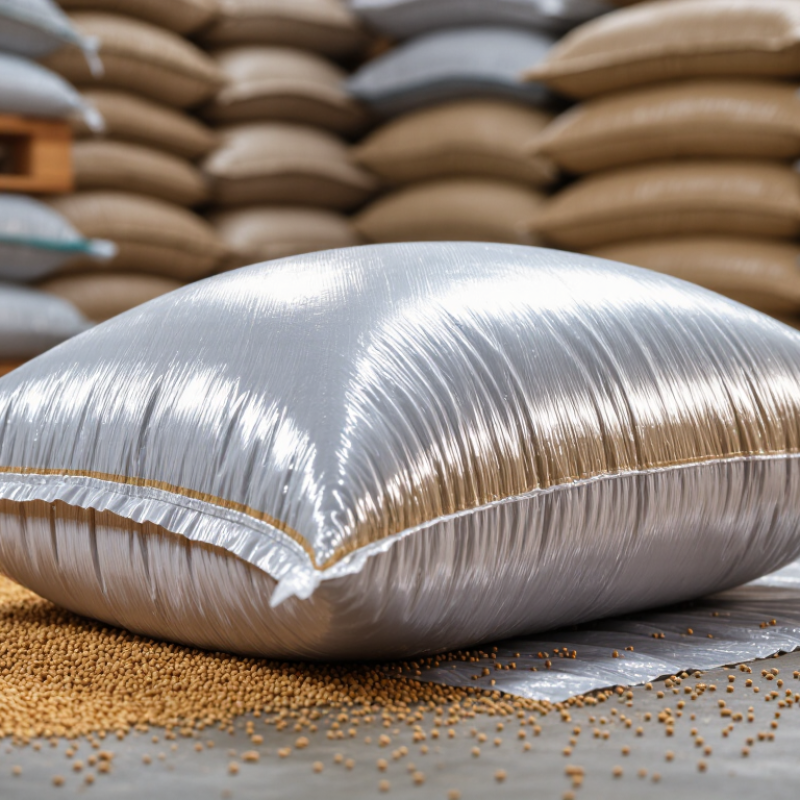
BOPP lamination adds a smooth, printed film layer to the outside of a woven polypropylene bag. The film creates a cleaner surface for detailed images, small text, and stronger color contrast. A matte finish can look understated; a glossy one catches light on a crowded shelf. In handling, the outer layer can help reduce scuffs and slow moisture reaching the woven fabric. It also gives the bag a more finished feel.
The difference is visible up close. Ink sits on the film rather than sinking into the woven texture, so fine lines and product details tend to appear sharper. The laminated face can be wiped clean after light dust or splashes. That matters. But lamination does not make every part of a bag waterproof. Seams, folds, and the opening can still admit water, and rough abrasion may damage the printed layer.
There is a trade-off worth considering. A laminated bag may cost more and can be less straightforward to recycle than an uncoated woven bag, depending on local facilities. It also needs suitable storage; prolonged heat or careless stacking can affect its appearance. For a practical check, rub a sample against a rough surface and inspect the corners after folding. The print may look excellent on a flat sample, yet real filling and transport reveal weak spots.
It adds a smooth printed layer that helps reduce scuffing and surface moisture exposure. Dust also wipes away more easily.
No. It may help limit moisture, but it does not make the bag waterproof or airtight. Check seams and closures too.
Rice, flour, dry beans, animal feed, seeds, and dry fertilizer are common examples. The right construction depends on the product and load.
Consider the weight, handling, and storage conditions. Heavy granules may need strong adhesion and abrasion resistance, while retail packaging may need clear print.
Not automatically. Gloss can make colors stand out, while matte film may reduce glare. Both finishes can show wear.
Ask for film thickness, adhesive type, and lamination method in writing. Request test results for the complete bag, not just the film.
Fill it, rub printed areas, and flex the bag. Look for lifted edges, scuffs, and weak stitched areas after storage or transport.
Added material layers can make recovery more complicated. It’s worth checking local options; I wouldn’t assume the bag is easy to recycle.
BOPP lamination adds a smooth, printable film layer to woven bags, helping protect the fabric while creating a clean surface for product information and appealing graphics. The process bonds BOPP film to woven fabric, combining the strength of the woven structure with the film’s barrier and surface properties. Understanding why is bopp lamination used on woven bags comes down to practical benefits: improved resistance to moisture, dust, scuffing, and everyday handling, along with better print clarity and presentation.
Choosing the right lamination depends on the bag’s contents, storage and transport conditions, desired appearance, and performance needs. Consider factors such as film thickness, finish, print requirements, and the intended level of protection. BOPP-laminated woven bags can suit many applications, including packaging for agricultural products, building materials, and other dry goods, where durability, clear identification, and a polished appearance are useful.

 ChicBeauty Bag