PP woven bags look durable, but poor storage can quietly weaken their fabric, seams, and lamination. This 2026 guide explains how to store pp woven bags properly across warehouses, workshops, and distribution areas. It focuses on practical control, not complicated theory.
Dr. George Wypych, a recognized polymer-materials specialist, has stated, “Storage conditions can change a polymer before use.” That warning matters. Direct sunlight can make polypropylene fibers brittle. High humidity can encourage moisture buildup, especially inside folded bags. Dust may also settle into seams and printing surfaces.
Keep bags on clean pallets, never directly on concrete floors. Leave space between stacks and walls. Maintain a cool, dry, and ventilated storage area. Avoid heaters, windows, sparks, and sharp metal edges. Use opaque covers when sunlight enters the warehouse. However, do not seal damp bags under plastic covers. Trapped moisture can create a worse problem.
Stack bags evenly, with heavier bundles placed below lighter ones. Excessive height may crush lower layers. Use a first-in, first-out rotation system. Check older stock before dispatch. Look for fading, brittle corners, open stitching, strange odors, and surface contamination.
Small details matter.
A simple inspection log improves consistency. Record delivery dates, storage locations, visible defects, and cleaning actions. Do not assume every polypropylene bag performs identically. Coatings, fillers, stitching, and additives can change storage needs. This is where many recommendations become too general.
No storage plan is perfect. Conditions change with seasons, building design, and handling habits. Review the method after rain, heatwaves, or warehouse relocation. Proper storage protects bag strength, reduces avoidable waste, and supports safer, more reliable packaging operations.
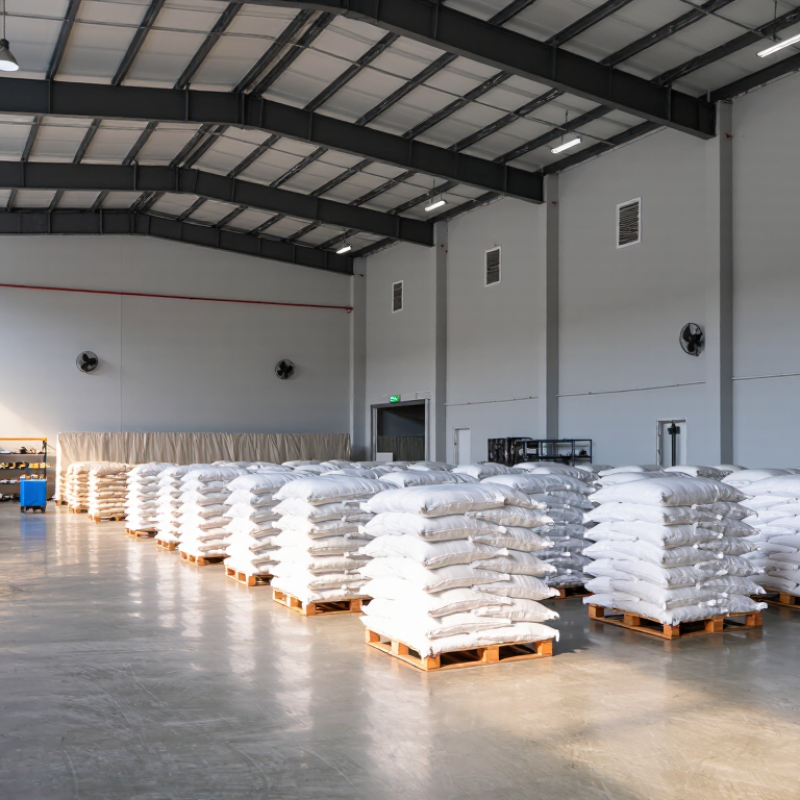
PP woven bags can lose strength before they are used. Sunlight, heat, moisture, and rough handling all matter. Keep stock indoors, away from windows and roof leaks. Use a clean, dry floor or pallets, and leave space between stacks and walls. Avoid sharp edges that can snag the woven fabric.
Temperature and humidity need context. ISO 291:2008 specifies 23°C and 50% relative humidity as a standard atmosphere for testing plastics; it is a reference condition, not a universal warehouse limit. ISO 2233:2000 also describes controlled conditioning atmospheres for testing packaged goods. These standards show why recorded conditions matter, but they do not replace the bag supplier’s storage guidance. Keep a simple log of temperature, visible dampness, and any sun exposure. Small details count.
Stack bags evenly and keep piles stable. Don’t press them against heaters or store heavy items on top; crushed folds can become weak points. Keep older stock accessible and use it before newer deliveries. Check a few bags from each lot for dampness, brittle areas, discoloration, or loose stitching. If bags arrive wet, separate them and let them dry in a ventilated, shaded area before stacking. This is not perfect protection, but it is better than sealing moisture inside.
Before storing PP woven bags for several months, empty them completely and check every fold. A few trapped pellets or damp crumbs can attract insects and hold moisture against the fabric. Shake each bag outdoors, then brush seams and corners with a clean, soft brush. If washing is needed, use mild soap and cool water; rinse well. Let the bags dry fully, inside and out. This can take longer than expected. Check the bottom seams, where moisture often lingers.
Inspect each bag under bright light. Set aside any with torn stitching, brittle areas, or sharp residue that could damage nearby bags. Do not pack wet or freshly washed bags tightly. Fold them loosely, or stack them flat, so air can move around the layers. Keep the stack on a clean pallet or shelf, away from concrete floors, direct sunlight, heaters, and leaking pipes. A dry, shaded room is usually suitable, but conditions can vary. Check the storage area after the first week; a small leak or humid corner may not be obvious on day one. Avoid overfilling the storage space. I have seen tidy stacks become difficult to inspect once labels and folded edges are buried. Help your future self.
Store PP woven bags in a clean, dry, shaded warehouse, away from roof leaks, direct sunlight, heaters, and chemical fumes. Sunlight and heat can weaken polypropylene over time, while damp floors can stain bags or affect their contents. Use pallets to keep bundles off concrete, and leave space between stacks and walls for inspection and airflow. Keep stacks stable, with no sharp edges pressing into the outer bags. It is easy to overlook the floor.
Plastics Europe’s Plastics – the Fast Facts 2024 reports 413.8 million tonnes of global plastics production in 2023. That figure covers all plastics, not PP woven bags, and does not set storage limits. Still, it highlights the scale of plastic use and why practical stock controls matter. Check the supplier’s handling guidance for any temperature limits; when that information is missing, avoid extreme heat and prolonged sun exposure rather than guessing.
Tips: Keep bags covered with a clean, breathable sheet, not a damp or tightly sealed cover. Mark each stack with its delivery date and inspect after storms or humid spells. Rotate older stock first. Small leaks can go unnoticed. An occasional check helps, even if busy shifts sometimes push it aside.
Store PP woven bags on a clean, dry floor, away from direct sunlight, heaters, and sharp edges. Moisture can weaken contents or encourage mold, while prolonged UV exposure can make polypropylene fabric brittle. Keep bags on pallets so air can move underneath, and leave clear access around each stack. A few centimeters of space helps with inspection. It is easy to forget the bottom layer.
Stack bags squarely, with each layer aligned and no corners hanging over the pallet. Keep the pile low enough to remain stable, and follow the bag supplier’s load and stacking guidance; bag size and fill weight change what is safe. OSHA’s material-handling rule, 29 CFR 1910.176(b), requires stored materials to be secured against sliding or collapse. ISO 2234:2000 also describes a stacking test for complete, filled transport packages, a useful reference when assessing packaging performance. Do not treat a test rating as permission to stack any configuration.
Cover stacks with a clean, breathable sheet or a secured tarp, but avoid sealing damp bags under plastic. A loose cover can trap condensation; a tight one can also rub against the top layer. Check corners and lower bags during routine warehouse rounds, especially after moving a pallet. I would not rely on appearance alone: hidden crushing may start at the base. Keep stacks away from doors where rain can blow in.
Stored PP woven bags need more than a clean warehouse and a high shelf. Inspect them on arrival, monthly, and before issuing them. Look for fading, brittle folds, broken stitching, dust, moisture marks, and rodent damage. Rub a corner gently; unusual whitening can indicate stress or early cracking. Check pallets for leaning stacks and crushed bottom layers. Bags should remain dry, covered, and away from direct sunlight, hot walls, and sharp edges.
Use clear batch labels showing arrival date, production date, and inspection status. Apply FIFO for general packaging, or FEFO when bags support time-sensitive agricultural products. The FAO’s State of Food and Agriculture 2019 report estimates that 14% of food is lost between harvest and wholesale, making reliable packaging control commercially important. Still, FIFO alone is not enough. Rotate stock by risk, not only by date. Older bags stored near heat or sunlight may deserve priority, even when newer bags look cleaner. ASTM D4329 testing guidance highlights ultraviolet exposure as a key factor in plastic durability, although warehouse conditions rarely match laboratory exposure.
Record inspection results with photographs and sample counts. A practical check might examine 20 bags from each lot, then expand sampling after any failure. It is not perfect. Human inspection can miss internal thread damage. That is why damaged bags should be isolated, not quietly returned to stock. Review rejected quantities every quarter; repeated defects may reveal poor stacking, moisture intrusion, or an unrealistic storage period.
| Storage Area or Check | Recommended Practice | Inspection Frequency | What to Look For | Stock Rotation Action |
|---|---|---|---|---|
| Storage environment | Keep bags in a clean, dry, well-ventilated area away from direct sunlight and excessive heat. | Weekly | Condensation, leaks, damp floors, dust, or prolonged exposure to sunlight. | Move affected stock to a suitable area; record the location and condition of the stock. |
| Floor and wall clearance | Store bags on clean pallets or shelving, with clearance from walls and potential water sources. | Weekly | Contact with floors or walls, water marks, pest activity, or restricted airflow. | Relocate stock that is exposed to moisture or pests and inspect nearby lots. |
| Stacking and load stability | Stack evenly on stable pallets without exceeding the safe height or load limits set for the site. | At receipt and during routine checks | Leaning stacks, crushed bags, damaged pallet boards, or unstable loads. | Secure or restack the load; prioritize sound, accessible lots for dispatch. |
| Packaging protection | Keep bags in their original packaging where practical and protect opened packs with a clean cover. | At receipt and after pack opening | Torn wrapping, exposed bags, dirt, foreign material, or damaged closures. | Separate affected packs for assessment and use intact stock first when appropriate. |
| Light and heat exposure | Limit exposure to direct sunlight and sources of high heat, which can degrade polypropylene over time. | Monthly | Fading, brittleness, unusual discoloration, or packaging deterioration. | Flag suspect stock for quality review before use; do not mix it with approved stock. |
| Lot identification | Label each pallet or pack with the product description, lot or receipt date, and storage location. | At receipt and after relocation | Missing, unreadable, or inconsistent labels and records. | Restore traceable labels before moving or issuing stock. |
| Stock rotation | Use first-in, first-out (FIFO) rotation unless product specifications or quality controls require another rule. | At each stock issue | Older lots blocked behind newer stock or stock without a clear receipt date. | Issue the oldest suitable lot first and update inventory records promptly. |
| Stored-bag condition | Inspect a representative sample before use, especially after long storage or a storage incident. | Before issue and after any incident | Holes, broken seams, contamination, moisture damage, or changes in appearance. | Quarantine suspect stock and obtain quality approval before release. |
| Pest and housekeeping checks | Keep the storage area clean and follow the facility’s pest-management procedures. | Weekly | Droppings, insects, damaged packaging, or accumulated waste. | Isolate affected stock, report the finding, and follow site procedures for inspection and release. |
| Inventory records | Record quantities, lot details, receipt dates, inspections, and any movement between locations. | At every receipt, inspection, and stock movement | Differences between recorded and physical quantities or untracked stock transfers. | Reconcile records regularly and keep lot-level traceability current. |
Empty every bag completely. Shake it outdoors. Brush seams and corners with a soft, clean brush. Use mild soap and cool water when necessary. Rinse thoroughly. Let the inside and outside dry fully. The bottom seam may stay damp longer than expected.
Inspect each bag under bright light. Look for torn stitching, brittle fabric, sharp residue, and stress whitening. Set damaged bags aside immediately. Do not place them back into usable stock. Small defects can grow.
Use a clean pallet or shelf. Keep bags away from concrete floors, heaters, sunlight, leaking pipes, and sharp edges. Leave air beneath the stack. Keep clear space around it for inspection. A dry, shaded room is usually suitable, but conditions can change.
Fold dry bags loosely, or stack them flat. Align every layer squarely on the pallet. Keep the pile low and stable. Follow the supplier’s load and stacking guidance. Bag size and filling weight affect safe height. Do not let corners hang over the pallet.
Cover the stack with a clean, breathable sheet or a secured tarp. Avoid sealing damp bags under plastic. A loose cover may trap condensation. A tight cover may rub against the top layer. Check the cover after rain or pallet movement.
Inspect bags when they arrive, monthly, and before issuing them. Check fading, brittle folds, broken stitching, dust, moisture marks, and rodent damage. Also inspect leaning pallets and crushed bottom layers. Examine the storage area after the first week. A hidden leak may appear late.
Mark the arrival date, production date, and inspection status. Use FIFO for general packaging. Use FEFO when the bags support time-sensitive agricultural products. Rotate by risk, not only by age. Older bags near heat may need priority.
Record inspection results with photographs and sample counts. A practical check may examine 20 bags from each lot. Increase sampling after any failure. Isolate damaged bags instead of quietly returning them. Human inspection is imperfect. Review rejected quantities every quarter to find repeated moisture, stacking, or storage problems.
Knowing how to store pp woven bags properly helps preserve their strength, shape, and usefulness over time. Before storage, make sure the bags are clean and completely dry, and remove any contents, dust, or moisture that could cause deterioration. Sort them by size or type so they are easier to locate and use later. Choose a clean, dry, well-ventilated storage area away from direct sunlight, excess heat, dampness, and sharp objects that could damage the fabric.
Stack bags neatly on a stable, clean surface, keeping piles at a safe height to prevent them from shifting or becoming crushed. Use a breathable protective cover to limit dust while allowing air to circulate, and avoid placing heavy items on top. Check stored bags periodically for signs of moisture, dirt, pests, or wear, and address any issues promptly. Rotate stock by using older bags first and placing newly stored bags behind them, helping maintain an organized supply and reducing the chance that bags remain unused for too long.
